The Work House & into Brooklyn


Home | Smith Photos | Family Stories | Ryan Data | Smith Data | News Center | SITE MAP | Contact Us
 

One of the open questions we have is whether the children of Catherine Smith lived in a workhouse.  Dad once told me that Irish John "did not like the English", and a myth was created that he "changed his name from Smyth to Smith" to ensure that no one would mistake him for English.  There is not much known about his life in Ireland, but while the children may have lived with relatives - its possible they spent time at the workhouse (poorhouse) in Cootehill district.

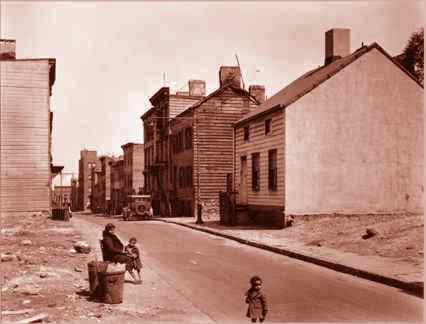
Brooklyn Shanty Town

Typical homes in the 19th century

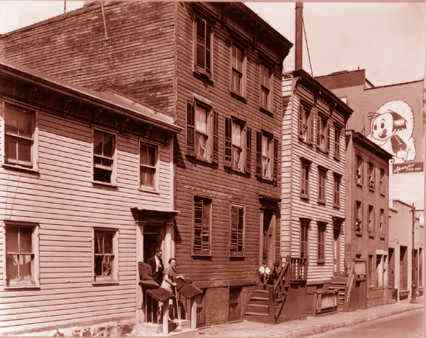
Cottage Homes in Brooklyn

These types of homes still stand along Walworth Street

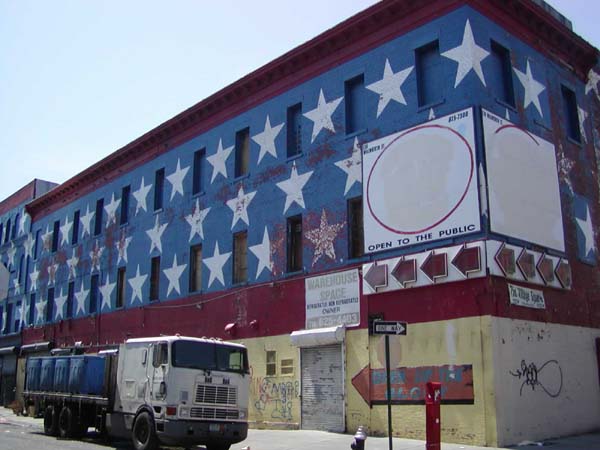
Intersection of Walworth and Myrtle

Most colorful building along these four blocks

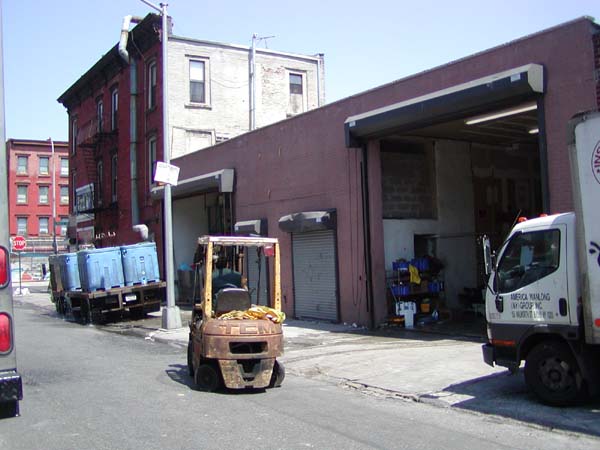
Light Industrial near Myrtle

Food manufacturer on Walworth St.

Workhouse Life during the famine (National Archives in Ulster - Northern Ireland)

With the arrival of the famine in 1846 conditions that were already poor, rapidly deteriorated. Entire families, whose potato crop had failed, would be evicted from their holding. So,  with nowhere to live and no food, entire families went to the workhouse. They became filled much higher than there capacity. The situation worsened with some Unions unable to collect sufficient rates for the increased demand in food. And many collapsed under the financial strain.

Typhus spread in cramped conditions, so those that may have entered healthy seeking some sort of refuge would ironically be killed through the disease.

A large number of children ended up alone in the Workhouse. Some families were so desperately low on food that the only hope for the survival of the child was for them to enter the Work House. In some cases there family had emigrated and would leave children behind until they had a chance to establish themselves in a new country before arranging for the passage of the child to a new land.


Return to Home Page